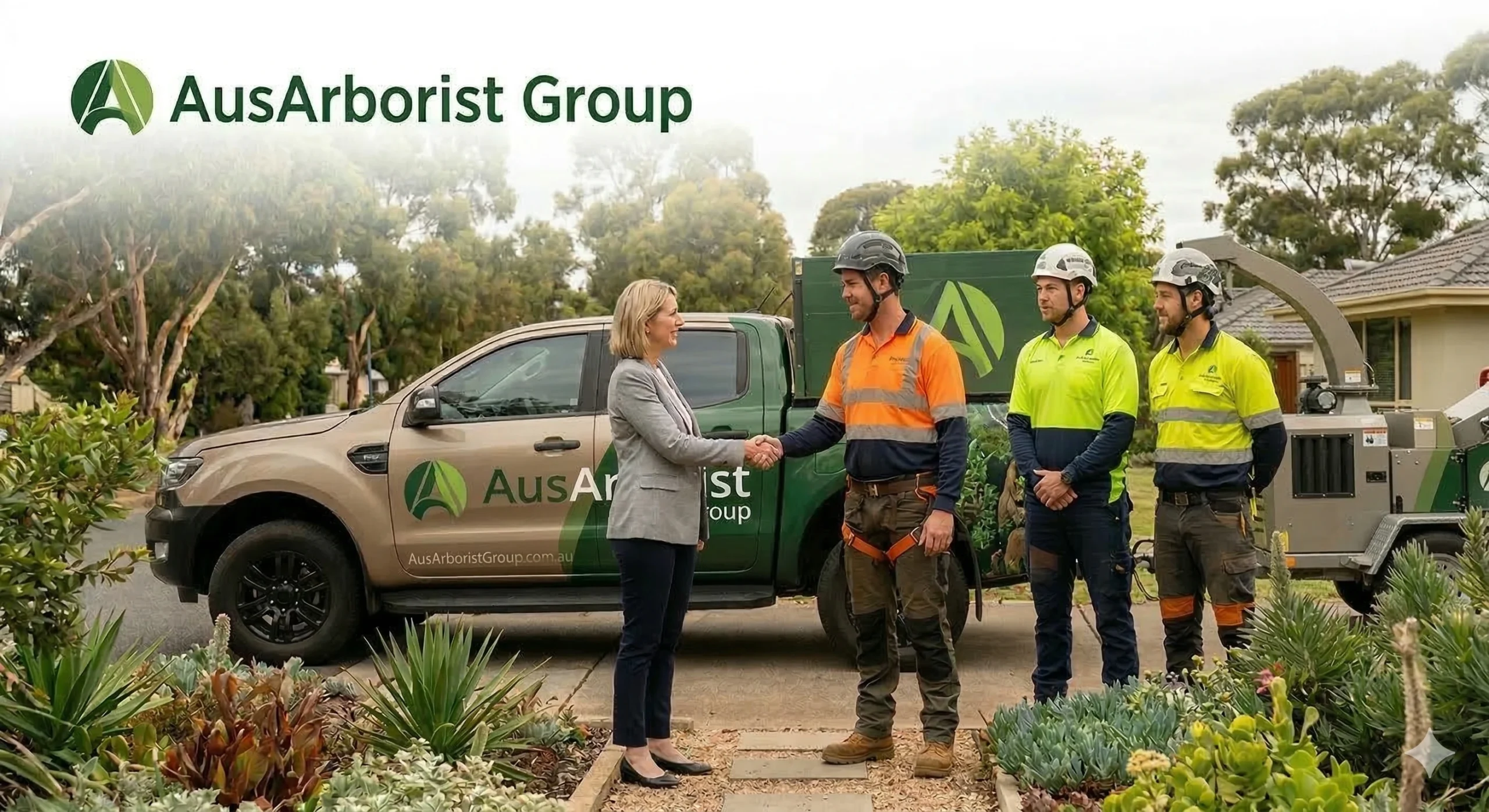
Residential and commercial properties benefit from regular tree maintenance programs. Strategic pruning promotes healthy growth patterns while reducing storm damage risks. Systematic tree care prevents emergency situations that often result in significantly higher costs. The service encompasses complete tree removal, selective branch work, stump grinding, and ongoing maintenance scheduling tailored to individual property needs.
Need Expert Tree Lopping in Clayfield?
Connect directly with certified arborists specialising in premium property tree care. Free site assessments available for 4011 residents.
Comprehensive Tree Services for Clayfield Properties
Tree care requirements vary significantly based on species, location, and property objectives. Comprehensive service offerings address every aspect of tree management. Professional assessment identifies potential issues before they develop into costly problems. Qualified arborists evaluate tree health, structural integrity, and proximity to buildings or infrastructure. This thorough approach ensures appropriate solutions for each unique situation.
Complete Tree Removal
Complete tree removal becomes necessary when trees pose unacceptable risks or have reached the end of their viable life. Dead or dying trees create immediate hazards during storms. Trees growing too close to structures may damage foundations or roofing systems. The removal process requires specialized equipment and extensive safety protocols. Expert arborists evaluate the safest removal method for each specific location.
Professional removal includes sectional dismantling for confined spaces or crane-assisted extraction for larger specimens. All debris receives proper processing and removal from the property. Stump grinding services eliminate remaining root systems below ground level. Environmental considerations guide disposal methods, with mulching and recycling prioritized whenever possible.
Expert Tree Pruning
Tree pruning maintains structural integrity while promoting healthy growth patterns. Strategic branch removal reduces weight distribution on vulnerable limbs. Crown thinning improves air circulation and reduces wind resistance. Deadwood removal eliminates potential falling hazards. Professional pruning follows horticultural best practices to minimize stress on trees.
Seasonal timing affects pruning outcomes significantly. Certain species require specific pruning windows to prevent disease or excessive sap loss. Qualified arborists understand these requirements for common Clayfield tree varieties. Proper pruning techniques preserve the natural shape while achieving safety and aesthetic objectives. Regular maintenance pruning prevents the need for drastic corrective work later.
Professional Stump Grinding
Remaining stumps create obstacles in lawns and gardens. They attract termites and other wood-boring insects that may spread to structures. Stump grinding eliminates these issues by reducing stumps below ground level. Modern grinding equipment processes stumps efficiently without excessive property disturbance. The resulting wood chips can serve as garden mulch or be removed based on property owner preference.
Grinding depth typically extends 300-400mm below surface level. This allows for lawn restoration or replanting in the same location. Root systems gradually decompose naturally underground. Professional operators navigate underground utilities and nearby features safely. Complete site cleanup ensures the area is ready for immediate landscaping or other use.
Safety Standards and Professional Expertise
Safety considerations dominate every aspect of professional tree work. Arborists face significant hazards including working at height, operating powerful equipment, and managing falling debris. Comprehensive training programs ensure team members understand proper techniques and emergency procedures. Regular safety audits maintain the highest industry standards across all operations.
Insurance coverage protects property owners from liability during tree work. Professional companies maintain substantial public liability policies covering potential property damage or injuries. Workers compensation insurance covers team members in the unlikely event of workplace incidents. Documentation verification ensures legitimate coverage before work commences on any property.
Certified Arborist Qualifications
Australian Qualifications Framework (AQF) standards govern arborist certification. Qualified arborists complete extensive training covering tree biology, hazard assessment, and safe work practices. Certification demonstrates commitment to professional development and industry excellence. Ongoing education ensures knowledge remains current with evolving techniques and equipment.
Arborist qualifications include practical experience requirements beyond classroom learning. Field assessment verifies competency in actual work conditions. Specialized certifications address specific areas including advanced rigging, large tree removal, and dangerous tree assessment. These credentials provide property owners with confidence in professional capabilities.
Equipment and Technology
Modern tree care relies on specialized equipment designed for efficiency and safety. Professional-grade chainsaws include multiple safety features and proper maintenance schedules. Climbing equipment meets strict Australian standards for working at heights. Rigging systems allow controlled lowering of heavy branches in confined spaces.
Advanced equipment includes stump grinders, wood chippers, and lift equipment for accessing tall trees. Regular equipment maintenance ensures reliability and safety. Investment in quality tools reflects commitment to professional service delivery. Technology improvements continue to enhance both safety and efficiency in tree care operations.
Risk assessment procedures identify potential hazards before work begins. Qualified professionals evaluate overhead power lines, underground utilities, nearby structures, and access limitations. Comprehensive planning addresses these factors to minimize risks. Communication protocols ensure all team members understand their roles and safety responsibilities throughout the job.
Emergency Tree Services Available 24/7
Storm damage and unexpected tree failures create urgent safety situations requiring immediate response. Fallen trees may block access, damage structures, or create electrical hazards. Emergency services operate around the clock to address these critical situations. Rapid response minimizes further damage and restores safety quickly.
Brisbane’s subtropical climate produces severe weather events including cyclonic storms and heavy rainfall. These conditions stress trees and may cause sudden failures even in previously healthy specimens. High winds particularly affect trees with structural weaknesses or poor root systems. Emergency preparedness includes maintaining equipment availability and trained personnel for rapid deployment.
Storm Damage Response
Storm events generate multiple service calls requiring prioritization based on immediate danger. Trees on structures receive priority response to prevent additional damage. Power line interference demands coordination with electrical authorities for safe resolution. Professional assessment determines whether trees can be saved through corrective pruning or require complete removal.
- ❌ Immediate safety hazard mitigation and property protection measures
- ❌ Coordination with insurance companies for documentation requirements
- ❌ Emergency tree stabilization to prevent further movement or damage
- ❌ Debris removal and site cleanup for access restoration
- ❌ Temporary repairs to protect structures from weather exposure
After-Hours Availability
Tree emergencies occur without warning at any time. Professional services maintain emergency contact systems for urgent situations. Response teams deploy quickly with necessary equipment and expertise. Initial assessment determines immediate action requirements versus work that can wait for daylight hours.
- ✔️ 24-hour emergency contact line for immediate assistance
- ✔️ Rapid response teams equipped for night operations
- ✔️ Priority scheduling for dangerous or urgent situations
- ✔️ Weekend and public holiday emergency service availability
- ✔️ Clear communication regarding timing and expected outcomes
Emergency Tree Service Response
Urgent tree situations require immediate professional attention. The emergency response team deploys quickly to address dangerous conditions and protect property from further damage.
Prevention through regular maintenance reduces emergency situations significantly. Scheduled inspections identify potential problems before weather events strike. Preventive pruning removes vulnerable branches that might fail during storms. Proactive property owners invest in maintenance programs that minimize emergency service needs and protect their investment in landscape trees.
Local Clayfield Tree Care Expertise
Clayfield’s established neighbourhoods feature mature trees that define the suburb’s character. Many properties contain specimens planted decades ago that now require professional management. Local knowledge of common species helps arborists provide appropriate care recommendations. Understanding growth patterns, disease susceptibilities, and structural characteristics ensures effective treatment approaches.
Council regulations govern tree removal and significant pruning work in Brisbane. Protected trees require permits before work proceeds. Professional arborists navigate these requirements and assist with necessary applications. Compliance with local laws protects property owners from substantial penalties while preserving important vegetation where appropriate.
Native Species Management
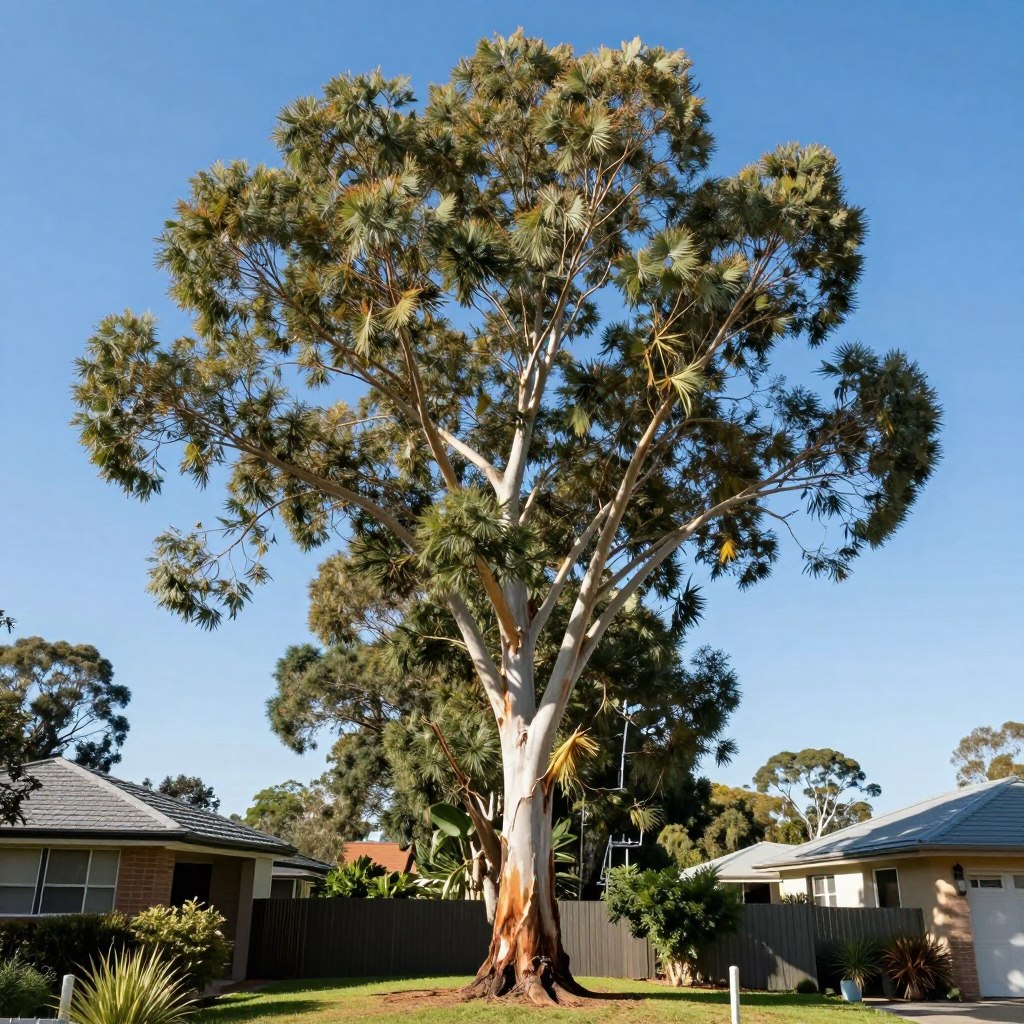
Native eucalyptus and other indigenous species present specific maintenance requirements. Growth habits include rapid height increase and potential for limb drop. Professional assessment identifies structural weaknesses before they become hazardous. Appropriate pruning maintains safety while preserving the environmental value of native vegetation.
Exotic Tree Varieties
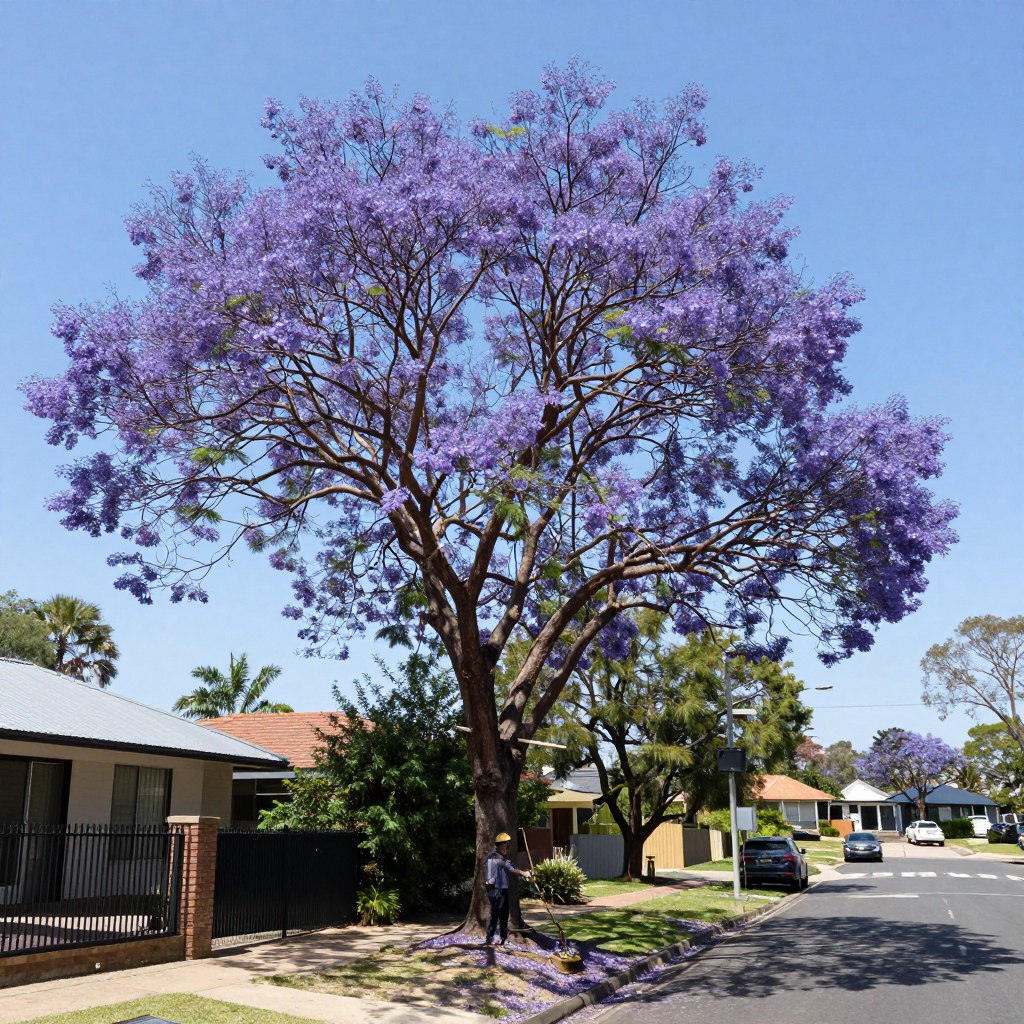
Popular exotic species including jacaranda, poinciana, and mango trees require different approaches than natives. These species may have specific disease concerns or pruning requirements. Professional knowledge ensures maintenance work enhances rather than damages these valuable landscape features. Timing considerations prevent bloom loss or fruit production issues.
Heritage Tree Protection
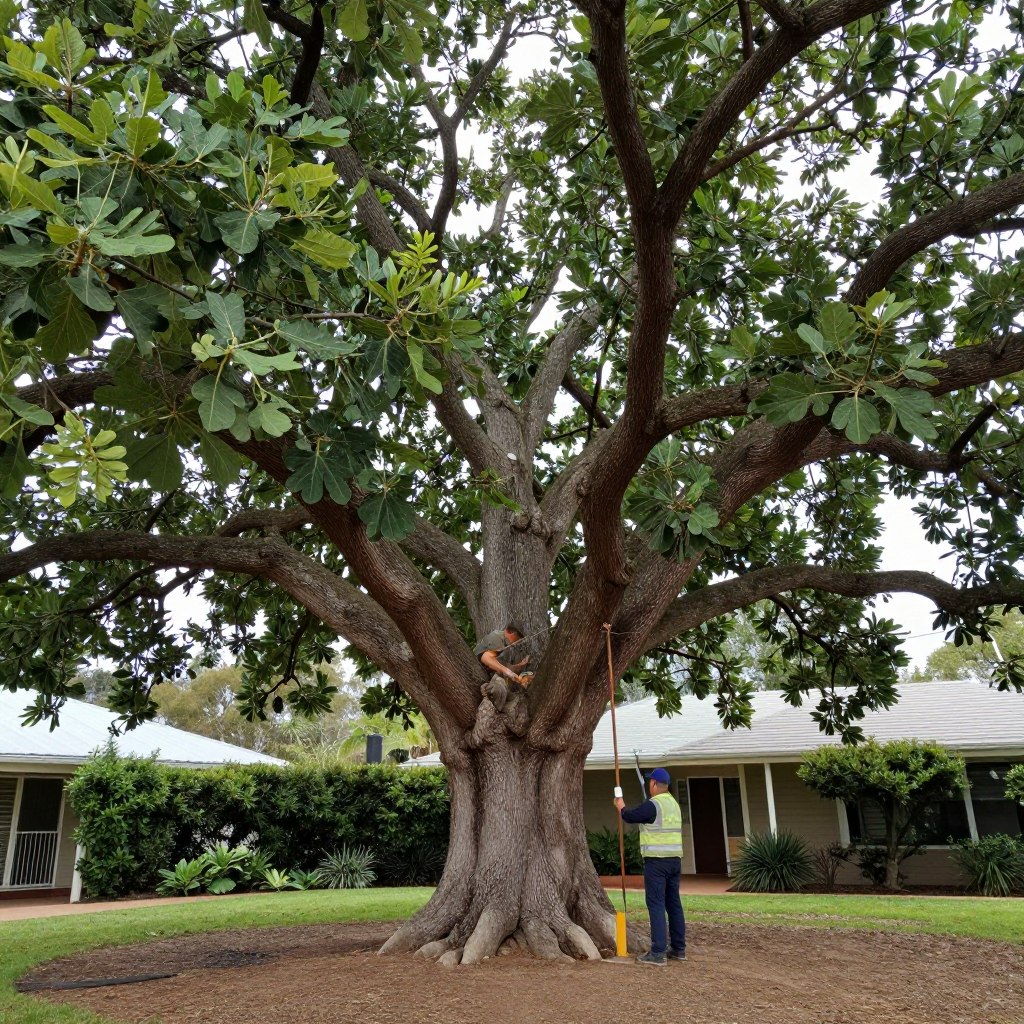
Significant trees contribute to neighbourhood character and property values. Heritage overlays protect certain specimens from removal or excessive pruning. Professional arborists work within these constraints to maintain tree health and safety. Specialized techniques preserve historic trees while addressing legitimate safety concerns.
Understanding Council Requirements
Brisbane City Council maintains specific regulations protecting certain trees and requiring permits for others. Categories include protected trees, significant trees, and general vegetation management provisions. Professional services include determining permit requirements and preparing necessary applications. This expertise saves property owners time and ensures compliance with all relevant regulations.
The permit process requires detailed information including tree species, dimensions, and justification for proposed work. Professional arborists provide required documentation and technical reports supporting applications. Processing times vary, and planning ahead prevents delays in scheduled work. Understanding these requirements forms part of comprehensive professional service delivery.
🎁 Free Resource: Avoid Costly Council Fines
Download Your Free Clayfield Tree Permit Checklist
Not sure whether your Clayfield tree requires Brisbane City Council approval? This comprehensive one-page checklist explains exactly which trees need development permits and provides step-by-step application processes for 4011 properties.
Tree Health and Ongoing Maintenance Programs
Preventive maintenance programs protect tree investments and reduce long-term costs. Regular inspections identify emerging issues when interventions remain simple and affordable. Scheduled maintenance avoids the expense and disruption of emergency work. Professional care plans tailor service frequency to specific property requirements and tree characteristics.
Tree health assessment considers multiple factors beyond visible appearance. Soil conditions affect root development and nutrient availability. Pest infestations may not become obvious until significant damage occurs. Disease symptoms require professional diagnosis for effective treatment. Comprehensive evaluation addresses all these factors to maintain optimal tree health.
Preventive Care Benefits
Regular maintenance provides significant advantages over reactive approaches. Scheduled pruning maintains proper structure as trees grow. Early detection of problems allows less invasive interventions. Preventive work costs substantially less than emergency services or major corrective procedures.
- ✔️ Reduced risk of storm damage through structural pruning
- ✔️ Early pest and disease detection with simpler treatment options
- ✔️ Lower long-term costs compared to crisis management approaches
- ✔️ Enhanced property aesthetics through consistent maintenance
- ✔️ Longer tree lifespans with appropriate ongoing care
- ✔️ Maintained property values through landscape management
Seasonal Maintenance Considerations
Different seasons present varying requirements for tree care. Summer growth periods may necessitate pruning to manage size. Winter dormancy suits certain pruning activities for specific species. Storm season preparation involves removing vulnerable branches before severe weather arrives. Professional planning coordinates work timing for optimal outcomes.
Spring/Summer Care
- ☀️ Active growth period monitoring and assessment
- ☀️ Pest and disease treatment during vulnerable periods
- ☀️ Storm preparation pruning before wet season
- ☀️ Watering assessment during dry conditions
- ☀️ Fruit tree management and thinning work
Autumn/Winter Care
- ❄️ Dormant season pruning for certain species
- ❄️ Structural work when reduced sap flow minimizes stress
- ❄️ Post-storm assessment and damage repair
- ❄️ Planning for next season’s growth management
- ❄️ Soil improvement and mulching programs
Customized maintenance schedules address individual property requirements. High-value specimens may benefit from annual professional assessment. Rapidly growing species require more frequent attention than slow-growing varieties. Location factors including proximity to structures influence maintenance timing and intensity. Professional consultation establishes appropriate schedules based on these variables.
Property Protection During Tree Work
Professional tree services implement extensive measures protecting property during all work. Ground protection prevents lawn damage from equipment and foot traffic. Surrounding structures receive shielding from falling debris. Careful planning minimizes impact on gardens and landscape features. Respect for property extends beyond the immediate work area to ensure comprehensive protection.
Access requirements vary significantly between properties. Narrow side passages may necessitate specialized equipment or manual handling. Overhead obstacles including power lines require careful navigation. Underground irrigation systems and utilities need identification before equipment enters properties. Professional assessment addresses these factors during quotation and planning stages.
Site Preparation and Protection
Thorough site preparation minimizes property impact. Protective matting covers lawns and paved areas under heavy equipment. Fencing protects gardens from accidental damage. Drop zones receive clearing to prevent debris impact on features. This preparation demonstrates professional commitment to property care.
Access route planning identifies the least disruptive path for equipment. Gates, fences, and other obstacles receive protection during equipment movement. Communication with property owners ensures awareness of any temporary access requirements. Professional contractors restore any disturbed areas to original condition.
Debris Management and Cleanup
Comprehensive cleanup forms an essential service component. Wood chippers process branches efficiently for removal or mulch production. Larger timber sections receive cutting for firewood or removal based on property owner preference. Leaf litter and small debris undergo collection and disposal.
Final inspection ensures complete debris removal and site restoration. Affected areas receive raking and tidying to restore appearance. Any incidental damage receives immediate attention and repair. Professional pride ensures properties look better after service completion, not just clean but enhanced.
Working Around Property Features
Established properties contain numerous features requiring careful consideration. Swimming pools need protection from falling debris. Outdoor entertainment areas must remain undamaged by equipment. Driveways and pathways receive covering to prevent scratching or staining. Professional awareness of these concerns prevents costly damage and maintains client satisfaction.
Specialty features including irrigation systems, lighting, and garden ornaments receive identification and protection. Underground utilities require location before any digging or stump grinding commences. Communication ensures property owners can identify any concerns before work begins. This collaborative approach prevents problems and builds confidence in professional capabilities.
Understanding Tree Service Costs and Value
Tree service costs reflect numerous factors beyond simple hourly rates. Tree size significantly affects pricing, with larger specimens requiring more time, equipment, and expertise. Location complexity including access limitations and proximity to structures increases difficulty and cost. Species characteristics influence work requirements, with some trees presenting greater challenges than others.
Professional services deliver value extending beyond immediate tree work. Proper techniques preserve tree health for ongoing beauty and property value. Safety compliance protects property owners from liability. Insurance coverage provides financial protection against unforeseen incidents. Comprehensive service includes all these elements rather than simply removing or pruning trees.
Size and Height
Tree dimensions directly influence work complexity and duration. Small trees under 5 meters require basic equipment and minimal time. Medium trees between 5-15 meters need intermediate equipment and climbing skills. Large trees exceeding 15 meters demand specialized equipment including cranes or extensive rigging systems. Height increases both time requirements and technical difficulty.
Location Complexity
Site accessibility significantly impacts service costs. Easy access allows efficient equipment positioning and debris removal. Restricted access necessitates manual handling or specialized compact equipment. Overhead obstacles including power lines require careful work techniques. Proximity to structures demands additional safety measures and controlled lowering procedures.
Work Scope
Complete removal costs more than selective pruning due to additional work and disposal. Stump grinding adds to total project costs but completes the job properly. Emergency services command premium pricing due to after-hours response and urgent nature. Multiple trees on one property may receive volume discounting for efficient scheduling.
Professional Service Value Proposition
Attempting tree work without proper training and equipment creates substantial risks. Personal injury possibilities include falls, equipment accidents, and falling debris impacts. Property damage from uncontrolled tree falls or dropped branches can exceed professional service costs many times over. Hidden costs of amateur work include equipment rental, disposal fees, and potential medical expenses.
Professional services include comprehensive insurance protecting property owners. Public liability coverage addresses potential property damage or third-party injury. Workers compensation insurance protects contractors, preventing property owner liability for workplace injuries. These protections deliver significant value beyond the visible work performed on trees.
Investment Protection Benefits
- ✅ Professional insurance coverage for liability protection
- ✅ Proper techniques preserving tree health and longevity
- ✅ Safety compliance reducing injury and damage risks
- ✅ Efficient completion minimizing property disruption time
- ✅ Appropriate equipment preventing collateral damage
- ✅ Expert knowledge ensuring optimal outcomes
Hidden Costs of DIY Approaches
- ❌ Equipment purchase or rental expenses for specialized tools
- ❌ Disposal fees for green waste and timber removal
- ❌ Potential medical costs from injuries during work
- ❌ Property damage repair from mistakes or accidents
- ❌ Time investment with steep learning curves
- ❌ Council fines for non-compliant work on protected trees
Quotations provide detailed cost breakdowns for transparency. Professional estimates itemize removal, pruning, stump grinding, and cleanup separately. This clarity allows property owners to understand pricing components and make informed decisions. Comprehensive quotes eliminate surprise charges and demonstrate professional business practices.
Equipment and Technology in Modern Tree Care
Technological advancement continues transforming tree care services. Modern equipment enhances both efficiency and safety compared to traditional methods. Professional investment in current technology demonstrates commitment to quality service delivery. Regular equipment updates ensure access to latest improvements in arborist tools and machinery.
Specialized equipment addresses specific tree care challenges. Aerial work platforms provide stable platforms for pruning work on large trees. Advanced rigging systems allow controlled lowering of heavy branches in confined spaces. Modern stump grinders efficiently process stumps with minimal property impact. Each equipment category serves specific purposes in comprehensive tree care operations.
Cutting and Trimming Tools
Professional chainsaws feature multiple safety mechanisms including chain brakes and anti-vibration systems. Various bar lengths suit different cutting requirements from small branches to large trunks. Regular maintenance and sharpening ensure efficient, safe operation. Hand tools including pruning saws and loppers complement powered equipment for precision work.
Pole saws extend reach for high branches without requiring climbing equipment. Hedge trimmers maintain formal plantings requiring regular shaping. Each tool serves specific purposes in comprehensive tree care programs. Professional equipment quality significantly exceeds consumer-grade alternatives in durability and performance.
Climbing and Access Systems
Professional climbing equipment meets strict Australian standards for working at heights. Harnesses distribute weight safely during extended work periods. Specialized ropes and rigging systems support both climbers and heavy loads. Regular inspection schedules ensure equipment remains safe for continued use.
Aerial work platforms provide alternative access methods for certain situations. These machines offer stable platforms and precise positioning capabilities. Spider lifts navigate confined spaces traditional cherry pickers cannot access. Equipment selection depends on specific job requirements and site conditions.
Processing and Disposal Equipment
Wood chippers convert branches into transportable mulch efficiently. Different chipper sizes suit varying project scales from residential pruning to large tree removals. Safety features protect operators during processing operations. Processed material serves multiple purposes including garden mulch or green waste disposal.
Stump grinders utilize rotating cutting wheels to reduce stumps below ground level. Track-mounted models access difficult terrain while protecting surrounding lawns. Various cutter configurations address different wood types and stump sizes. Professional operators manage depth control for proper finish levels.
Safety Equipment and Protective Gear
Comprehensive personal protective equipment (PPE) safeguards workers during tree operations. Hard hats protect against falling debris and overhead hazards. Face shields and safety glasses prevent eye injuries from wood chips and sawdust. Hearing protection reduces noise exposure from chainsaw and chipper operation. Each PPE component serves specific protection purposes.
Specialized clothing includes chainsaw-resistant trousers preventing serious leg injuries. High-visibility vests ensure workers remain visible to equipment operators and other team members. Safety boots with steel toes and slip-resistant soles protect feet and improve stability. Gloves provide grip while protecting hands from cuts and abrasions. Professional standards require appropriate PPE for all work situations.
Environmental Considerations in Tree Care
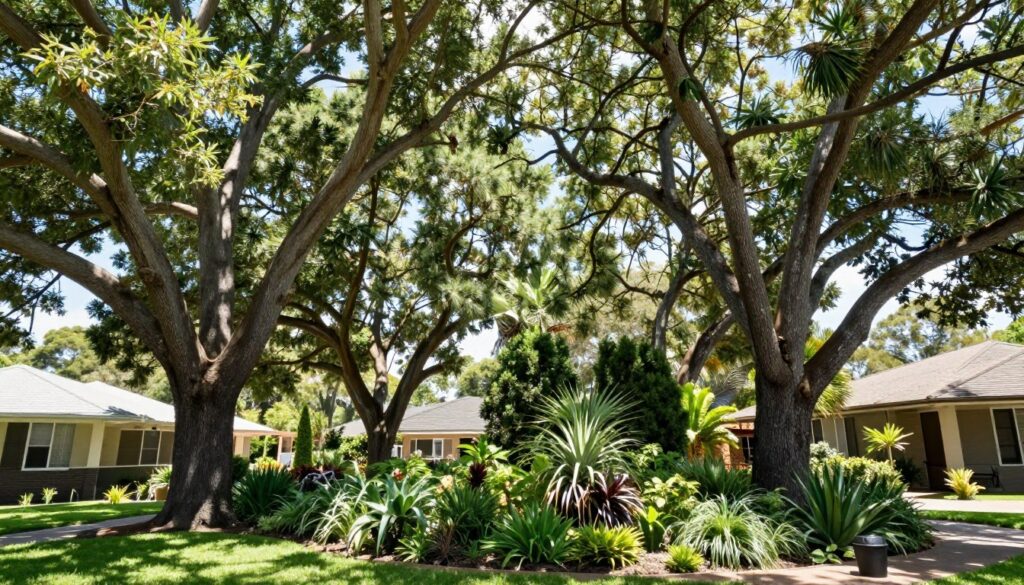
Trees provide substantial environmental benefits requiring consideration during care decisions. Mature trees reduce urban heat island effects through shading and evapotranspiration. Carbon sequestration contributes to climate change mitigation efforts. Wildlife habitat supports local biodiversity including native birds and beneficial insects. These factors influence professional recommendations for tree retention versus removal.
Responsible tree care minimizes environmental impact from service delivery. Waste reduction through recycling and mulching decreases landfill burden. Fuel-efficient equipment reduces carbon emissions from operations. Chemical use limitations protect soil health and water quality. Environmental stewardship aligns professional practices with community sustainability values.
Tree Retention Benefits
Preserving healthy trees provides ongoing environmental services. Mature specimens offer greater benefits than young replacements for decades. Professional care extends tree lifespan through health maintenance and risk mitigation. Strategic pruning preserves trees while addressing safety concerns.
- 🌳 Carbon storage in trunk, branches, and root systems
- 🌳 Air quality improvement through pollutant absorption
- 🌳 Stormwater management via rainfall interception
- 🌳 Urban cooling through shade and transpiration
- 🌳 Wildlife habitat provision for local species
- 🌳 Noise reduction from traffic and urban activity
Sustainable Service Practices
Professional operations incorporate environmental responsibility throughout service delivery. Material recycling diverts waste from landfills while creating useful products. Native plant recommendations support local ecosystems when replacement planting occurs. Integrated pest management minimizes chemical use for pest and disease control.
- 🌱 Wood chip mulch production from removed material
- 🌱 Timber processing for firewood or recycling
- 🌱 Green waste composting programs participation
- 🌱 Equipment maintenance reducing emissions and fuel consumption
- 🌱 Native species recommendations for replacement plantings
- 🌱 Minimal chemical use with targeted application methods
Balancing Development and Tree Preservation
Property development and renovation often conflicts with tree retention. Professional assessment identifies which trees can remain and which require removal for safety or construction access. Root protection zones during building work preserve tree health. Consultation services help property owners make informed decisions balancing development needs with environmental values.
Alternative solutions may preserve trees in development scenarios. Root barrier installation protects infrastructure while allowing tree retention. Crown reduction accommodates building setbacks while maintaining tree presence. Professional expertise identifies viable compromise solutions addressing both property objectives and environmental benefits.
Selecting the Right Tree Service Provider
Choosing appropriate tree service providers significantly affects outcomes and property owner satisfaction. Multiple factors distinguish professional operations from less qualified alternatives. Credential verification ensures legitimate qualifications and training. Insurance confirmation protects property owners from financial liability. Reference checking provides insights into service quality and reliability from previous customers.
Professional associations provide quality indicators for service providers. Membership in industry organizations demonstrates commitment to standards and ongoing professional development. Certified arborists complete extensive training and examination processes. These credentials offer assurance of technical competence and ethical business practices.
Essential Qualification Checks
- Australian Qualifications Framework (AQF) arborist certification verification
- Current public liability insurance documentation review
- Workers compensation insurance confirmation for employee protection
- Business licensing and registration validation
- Industry association memberships as quality indicators
- Specialist certifications for advanced or risky work
- Equipment maintenance records demonstrating safety commitment
Avoid Providers Who:
- Cannot produce current insurance certificates upon request
- Refuse to provide written quotations with detailed scope
- Demand large upfront deposits before work commences
- Use pressure tactics or create artificial urgency
- Lack proper business registration and contact details
- Cannot provide verifiable local references from recent work
- Suggest illegal removal of protected trees without permits
Questions to Ask Potential Providers
Informed property owners ask relevant questions before engaging services. Understanding the quotation process including site visits versus remote estimates clarifies expectations. Timeline discussions establish realistic completion schedules. Cleanup scope definitions prevent disputes about final site condition. Insurance details confirmation protects against liability exposure.
What qualifications do your arborists hold?
Qualified providers specify AQF certification levels and any specialist qualifications. This confirms technical competence for proposed work.
Can you provide current insurance certificates?
Legitimate professionals readily provide public liability and workers compensation documentation. Verification protects property owners from potential claims.
What does the quotation include regarding cleanup?
Clear scope definition prevents disputes. Comprehensive quotes specify debris removal, site restoration, and final cleanup standards.
How do you handle council permit requirements?
Professional services assist with permit applications and ensure compliance. This protects property owners from council penalties.
What is your expected timeline for completion?
Realistic scheduling accounts for job complexity, weather dependencies, and permit processing times. Professional providers communicate clearly about timeframes.
Request Your Free Tree Service Quote
Accurate quotations require detailed information about tree size, location, and work requirements. Professional assessment considers all relevant factors affecting project complexity and cost. Site visits provide opportunity to discuss specific concerns and objectives with qualified arborists. Comprehensive quotes eliminate surprises and ensure clear understanding of scope and pricing.
Free quote services demonstrate confidence in competitive pricing and service quality. No-obligation assessments allow property owners to make informed decisions without pressure. Written quotations provide clarity about work scope, timing, and total investment required. Professional communication establishes foundation for successful service relationships.
Get Your Free, No-Obligation Quote Today
Complete the form below and a qualified arborist will contact you within 24 hours to discuss your tree care requirements and schedule a property assessment.
What Happens After You Submit Your Quote Request
- ➡️ Initial Contact: A qualified arborist contacts you within 24 hours to discuss your requirements and answer preliminary questions.
- ➡️ Site Assessment: A convenient time is scheduled for property inspection to evaluate trees, access, and project scope.
- ➡️ Detailed Quotation: You receive a comprehensive written quote detailing all work, pricing, timeline, and terms.
- ➡️ Consultation: The arborist discusses recommendations, options, and answers any questions about the proposed work.
- ➡️ Decision Time: You review the quote without pressure and make an informed decision at your own pace.
- ➡️ Scheduling: Upon acceptance, work is scheduled at mutually convenient times with clear communication about expectations.
Frequently Asked Questions About Tree Lopping Services
Property owners commonly ask similar questions about tree services. Understanding these concerns helps make informed decisions about tree care. Professional providers welcome questions and provide detailed explanations of processes, requirements, and expectations. Transparency builds confidence in service relationships and ensures clarity about all project aspects.
How often should trees receive professional maintenance?
Maintenance frequency depends on tree species, age, and location. Fast-growing species may require annual attention. Mature trees in low-risk locations might need assessment every 2-3 years. Trees near structures or power lines benefit from annual professional inspection. Qualified arborists recommend appropriate schedules based on specific circumstances during property assessment.
What is the difference between tree lopping and pruning?
Pruning involves selective branch removal following horticultural principles to maintain tree health and structure. Professional pruning makes strategic cuts that promote healing and proper growth. Lopping traditionally refers to indiscriminate cutting that may damage trees. Modern professional services use proper pruning techniques even when discussing lopping services. The terminology matters less than employing qualified arborists who follow best practices.
Do I need council approval for tree work?
Brisbane City Council regulates work on certain trees. Protected trees require permits regardless of property ownership. Significant trees in some zones need approval for removal or major pruning. Trees in certain diameter ranges may require assessment. Professional arborists determine permit requirements and assist with applications. Council websites provide specific information, but professional guidance ensures compliance.
What happens to removed trees and branches?
Professional services process tree material responsibly. Branches pass through wood chippers producing mulch for gardens or green waste facilities. Larger timber may be cut for firewood if property owners desire. Otherwise, material goes to recycling facilities or appropriate disposal sites. Comprehensive cleanup ensures properties are tidy with all debris removed unless mulch retention is requested.
How long does tree removal typically take?
Duration varies significantly based on tree size and site complexity. Small trees in open locations may take 2-3 hours including cleanup. Large trees near structures requiring sectional dismantling might need full days or multiple visits. Access limitations extend timeframes due to manual handling requirements. Professional quotes include estimated timeframes based on specific project assessment.
Is tree lopping covered by home insurance?
Insurance coverage depends on circumstances and policy terms. Storm damage requiring emergency tree removal often receives coverage. Preventive maintenance generally represents property owner responsibility. Damage from trees falling on insured structures typically receives coverage. Property owners should review specific policy terms and discuss coverage questions with insurers. Professional services provide documentation supporting insurance claims when applicable.
Can trees be removed during any season?
Tree removal can occur year-round when necessary for safety. However, seasonal considerations affect some situations. Nesting birds during breeding season require work delays to protect wildlife. Certain pruning work benefits from dormant season timing for specific species. Weather conditions including heavy rain or high winds prevent safe work. Professional arborists advise on optimal timing based on specific circumstances and objectives.
What qualifications should professional arborists have?
Qualified arborists complete Australian Qualifications Framework (AQF) certification through recognized training organizations. Certificate III in Arboriculture represents the industry standard qualification. Advanced practitioners hold Diploma-level qualifications. Specialized certifications address areas including rigging, large tree removal, and tree assessment. Professional membership in organizations like Arboriculture Australia demonstrates commitment to ongoing development and industry standards.

Additional questions receive thorough answers from experienced professionals. Every property presents unique circumstances requiring individual assessment and recommendations. Professional consultation provides opportunity to address specific concerns and develop appropriate solutions. Open communication ensures property owners understand all aspects of proposed work before proceeding.
Professional Tree Care for Clayfield Properties
Trees represent valuable assets requiring professional management for safety, health, and beauty. Qualified arborists bring essential expertise to tree care decisions and implementation. Appropriate maintenance preserves these benefits while protecting properties from tree-related risks. Investment in professional services delivers long-term value through proper care and risk mitigation.
Clayfield’s established neighbourhoods benefit particularly from expert tree management. Mature trees require understanding of species characteristics, structural assessment, and appropriate intervention timing. Local knowledge of council requirements and common tree varieties ensures compliant, effective service delivery. Professional relationships built on transparency and quality work provide ongoing peace of mind for property owners.
Safety considerations remain paramount throughout all tree work. Professional qualifications, comprehensive insurance, and modern equipment distinguish legitimate services from inadequate alternatives. Property protection measures and thorough cleanup demonstrate respect for client investments. These elements combine to deliver superior outcomes worthy of professional service investment.
Environmental responsibility guides professional tree care recommendations. Preservation receives priority when safety allows retention. Sustainable practices minimize service delivery impacts through recycling and efficient operations. These values align professional services with community environmental objectives while meeting property owner requirements.
Emergency services provide critical support during unexpected tree failures. Rapid response capabilities minimize damage and restore safety quickly. However, preventive maintenance remains the most effective approach to tree management. Regular professional assessment and appropriate intervention prevent most emergency situations while extending tree lifespans.
Expert Clayfield Tree Lopping Service
AusArborist Group delivers comprehensive tree care services throughout Clayfield with qualified arborists, modern equipment, and commitment to safety and quality. Professional expertise ensures optimal outcomes for every property.