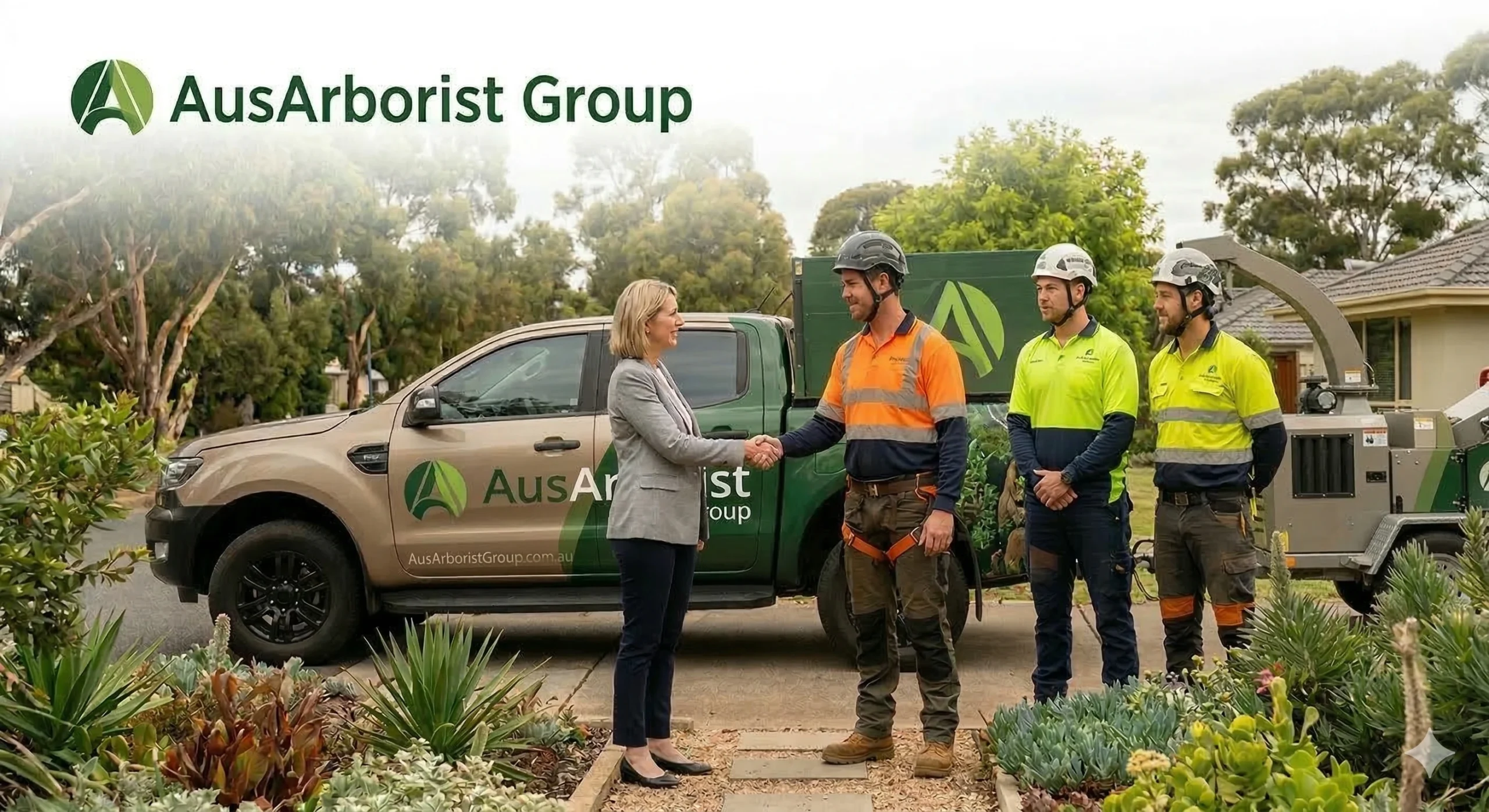
Property owners throughout Mosman in postcode 2088 face mounting challenges with overgrown vegetation threatening homes and structures. Trees positioned too close to power lines create hazardous situations requiring immediate attention. Storm-damaged branches compromise safety while overhanging limbs damage roofs and gutters. Mosman municipal council regulations demand strict compliance for tree work on residential properties. Professional expertise becomes essential when heritage trees require careful assessment before any intervention occurs.
Residents seeking tree removal services need certified professionals who understand local requirements completely. The combination of technical knowledge and council familiarity ensures successful project outcomes every time. Proper equipment and insurance coverage protect property owners from liability during complex operations. Emergency situations demand rapid response from experienced teams available around the clock.
AusArborist Group delivers comprehensive tree care solutions across the Mosman region daily. The organization maintains AQF-certified arborists trained in advanced sectional dismantling techniques for challenging scenarios. Every team member carries current qualifications in safe work practices and specialised equipment operation. Insurance coverage extends to substantial public liability protection for complete client peace of mind.
Essential Tree Services for Mosman Properties
Mosman property owners require different solutions depending on specific vegetation challenges and site conditions. Understanding the distinction between removal and lopping services helps homeowners make informed decisions. Each service addresses unique scenarios while maintaining strict safety protocols throughout every operation. Professional assessment determines the most appropriate approach for individual situations.
Complete Tree Removal Services
Total extraction becomes necessary when trees pose immediate safety hazards or structural threats. Dead specimens create falling branch risks that endanger residents and damage property structures. Root systems undermining foundations require complete removal to prevent ongoing structural issues. Diseased vegetation spreading infection to healthy specimens demands swift elimination from landscapes.
The removal process begins with comprehensive site assessment by qualified arborists. Teams evaluate access points, overhead clearances, and potential obstacles affecting safe dismantling. Sectional cutting techniques address tight spaces where conventional felling proves impossible. Specialized rigging equipment lowers heavy sections without damaging surrounding structures or landscaping.
- ✔️ Complete stump grinding to below ground level
- ✔️ Debris removal and site cleanup services
- ✔️ Emergency removal for storm-damaged trees
- ✔️ Heritage tree assessment and documentation
- ✔️ Council approval assistance and permit coordination
Professional Tree Lopping Solutions
Selective pruning maintains tree health while addressing specific property concerns effectively. Lopping services reduce canopy spread threatening structures without removing entire specimens. Strategic branch removal improves light penetration to gardens and living spaces below. Crown lifting eliminates low-hanging limbs interfering with pedestrian access or vehicle clearance.
Expert arborists assess tree health before recommending appropriate lopping strategies. Proper cutting techniques preserve vascular systems ensuring continued growth and vitality. Timing considerations align with species-specific growth cycles for optimal recovery outcomes. Multiple sessions may prove necessary for large specimens requiring gradual reduction.
- ✔️ Crown reduction to manage size and spread
- ✔️ Deadwood removal for safety enhancement
- ✔️ Clearance pruning for buildings and utilities
- ✔️ Structural pruning for young tree development
- ✔️ View enhancement without compromising tree health
Free Property Assessment Available
Qualified arborists conduct thorough on-site evaluations without obligation or hidden charges. Comprehensive reports detail recommended services with transparent pricing structures. Assessment includes council requirement review and permit necessity determination. Limited availability for detailed property inspections throughout the Mosman service area.
Advanced Tree Removal Methodologies
Complex tree removal demands sophisticated techniques beyond basic felling operations available to homeowners. Sectional dismantling addresses situations where conventional dropping proves impossible or dangerous. Residential environments require precision cutting and controlled lowering to protect surrounding property. Professional arborists select appropriate methods based on species characteristics, location constraints, and site conditions.
Sectional Dismantling Process
This technique involves removing trees in carefully planned sections from top to bottom. Climbers ascend using specialized equipment to access upper canopy areas safely. Each section receives strategic cuts before controlled lowering via rigging systems. Ground crews guide descending pieces away from structures and valuable landscaping.
The process begins with thorough assessment identifying natural weak points and structural considerations. Rigging attachment points receive careful evaluation for load-bearing capacity before use. Cutting sequences follow predetermined plans accounting for weight distribution and balance shifts. Multiple rigging points may prove necessary for particularly large or awkward sections.
Pre-Work Assessment Phase
Detailed site inspection identifies potential hazards and access limitations requiring special consideration. Teams evaluate overhead clearances including power lines and communication cables. Ground conditions receive assessment for equipment placement and stability verification. Neighboring property considerations inform work methodology and safety zone establishment.
- ✔️ Utility location and clearance verification
- ✔️ Access point evaluation and preparation
- ✔️ Equipment positioning and setup planning
- ✔️ Safety zone establishment and barrier placement
- ✔️ Communication protocol confirmation among team members
Crane-Assisted Removal Operations
Large specimens in challenging locations sometimes require crane support for safe extraction. Mobile cranes provide lifting capacity unavailable through traditional rigging methods alone. Operators coordinate with climbing arborists to attach sections for controlled removal. This method minimizes ground disturbance while accelerating completion of complex projects.
Crane operations demand precise coordination between multiple team members throughout execution. Arborists make strategic cuts while crane operators maintain tension on lifting cables. Each section receives careful attachment before cutting separates it from the parent tree. Ground crews guide landed sections to designated staging areas for processing.
Stump Grinding and Root Management
Complete tree removal extends below ground level requiring specialized grinding equipment. Stump grinders reduce remaining wood to mulch while eliminating trip hazards completely. Depth requirements vary based on intended future use of the cleared area. Root ball removal prevents regrowth while allowing immediate replanting if desired.
Important Consideration:
Stump grinding typically extends thirty centimeters below ground level as standard practice. Deeper grinding becomes necessary for construction projects or pool installation. Root systems extending beyond the stump perimeter may require additional attention. Professional assessment determines appropriate grinding depth for specific situations and future plans.
Grinding operations transform stumps into usable mulch material suitable for garden applications. The process eliminates unsightly remnants while preparing sites for new landscaping installations. Access considerations affect equipment selection with smaller grinders navigating tight spaces. Multiple stumps receive coordinated treatment minimizing mobilization costs for property owners.
Comprehensive Safety Standards
Professional tree work carries inherent risks requiring rigorous safety protocols throughout every operation. Qualified teams implement multiple layers of protection for workers and property alike. Equipment inspections precede each job ensuring optimal function of all safety systems. Ongoing training maintains awareness of evolving best practices and hazard recognition.
Personal Protective Equipment Requirements
Every team member utilizes appropriate personal protective equipment specific to their role. Climbers wear specialized harnesses with multiple attachment points for redundant protection. Cut-resistant clothing protects against chainsaw contact during trimming operations. Eye and hearing protection addresses flying debris and equipment noise exposure.
- 🛡️ Certified climbing harnesses and lanyards for elevated work
- 🛡️ Safety helmets with integrated face and hearing protection
- 🛡️ Cut-resistant chainsaw protective clothing and chaps
- 🛡️ Steel-capped boots with ankle support and grip soles
- 🛡️ High-visibility clothing for traffic management situations
- 🛡️ Gloves rated for chainsaw operation and rope handling
Site Safety Management
Establishing secure work zones protects bystanders from falling debris and equipment hazards. Barrier systems create clear demarcation preventing unauthorized access during operations. Ground crew members maintain constant awareness of overhead activities and falling objects. Communication systems ensure coordination between elevated workers and ground support teams.
Traffic and Pedestrian Control
Work affecting public thoroughfares requires proper traffic management implementation. Signage alerts approaching vehicles to work zones and altered traffic patterns. Trained personnel direct vehicle and pedestrian movement around active operations. Coordination with local authorities ensures compliance with road use requirements.
Utility Safety Protocols
Power line proximity demands extreme caution and specialized clearance procedures. Teams maintain minimum approach distances mandated by electrical safety regulations. Utility notification occurs before commencing work near infrastructure elements. De-energization requests proceed for situations requiring closer approach than safety margins allow.
24/7 Emergency Tree Services
Storm events create urgent situations demanding immediate professional response any hour. Fallen trees blocking driveways or damaging structures require rapid assessment and removal. Hanging branches pose ongoing risks until secured or eliminated completely. Emergency teams mobilize quickly with equipment and expertise addressing dangerous scenarios.
🚨 Emergency Situations Requiring Immediate Response:
- ❌ Trees or large branches fallen on structures causing damage
- ❌ Vegetation contacting or threatening power lines
- ❌ Storm-damaged trees with hanging sections at risk of falling
- ❌ Trees blocking essential access routes or roadways
- ❌ Sudden structural failure creating immediate hazards
Rapid Response Capabilities
AusArborist Group maintains on-call teams equipped to respond throughout Mosman around the clock. Emergency vehicles carry essential equipment for immediate intervention and stabilization. Initial response focuses on securing dangerous situations before comprehensive removal proceeds. Assessment determines whether temporary measures suffice until daylight allows full operations.
Storm damage assessments identify immediate risks requiring priority attention versus manageable situations. Temporary stabilization techniques prevent further damage while planning complete resolution. Insurance documentation support assists property owners with claims processing requirements. Emergency work proceeds under existing council exemptions for hazardous tree situations.
Post-Storm Property Assessment
Severe weather events warrant comprehensive property inspection beyond obviously damaged specimens. Wind stress weakens branch attachments that fail days or weeks after initial storms. Root plate lifting indicates potential complete failure requiring proactive removal. Professional assessment identifies hidden damage preventing future emergency situations.
Experienced arborists recognize subtle indicators of structural compromise following weather events. Crown inspection reveals split branches and torn bark signaling internal damage. Root zone examination identifies soil movement and stability concerns. Comprehensive reports prioritize remediation work by risk level and urgency.
- ✅ Complete canopy assessment for hanging or damaged branches
- ✅ Root plate stability evaluation and soil condition check
- ✅ Trunk inspection for splits, cracks, or structural damage
- ✅ Priority ranking of identified hazards and risks
- ✅ Detailed documentation for insurance claim support
🚨 24/7 Emergency Response Available
Urgent tree emergencies receive immediate attention from qualified response teams. Professional assessment and rapid intervention protect property and ensure safety. Contact emergency services any hour for storm damage or hazardous tree situations throughout Mosman.
Mosman Municipal Council Requirements
Local government regulations protect significant vegetation while allowing necessary tree work. Mosman municipal council maintains specific provisions governing tree removal and pruning activities. Understanding these requirements prevents costly violations and project delays. Professional services navigate council processes efficiently ensuring compliant outcomes.
Development Application Requirements
Certain tree work requires formal development application submission to Mosman municipal council. Applications include arborist reports detailing proposed work and justification. Processing timelines vary depending on application complexity and assessment requirements. Heritage listings or environmental overlays trigger additional consideration during evaluation.
Professional arborist reports form the foundation of successful development applications. Documentation addresses tree health, structural condition, and proposed work methodology. Photographic evidence supports written assessments and recommendations clearly. Species identification and size measurements provide essential data for council assessment.
Work Requiring Council Approval
- ❌ Removal of trees exceeding specified height thresholds
- ❌ Work on heritage-listed trees or protected species
- ❌ Trees located within environmental conservation areas
- ❌ Removal affecting streetscape or public amenity
- ❌ Work within tree protection zones during construction
Exempt Development Provisions
- ✅ Dead or dying trees posing immediate safety hazards
- ✅ Trees damaged by storm events requiring emergency work
- ✅ Minor pruning not exceeding ten percent of canopy
- ✅ Vegetation classified as noxious weeds
- ✅ Fruit trees and non-native specimens below size limits
Heritage Tree Protection
Mosman maintains registers of significant trees warranting special protection measures. Heritage specimens require additional justification for any proposed intervention work. Preservation remains the preferred outcome with removal approved only when unavoidable. Alternative solutions receive thorough exploration before removal permissions granted.
Working with heritage trees demands specialized knowledge and careful methodology. Experienced arborists understand appropriate techniques preserving long-term health and structure. Documentation requirements exceed standard applications with detailed justification mandatory. Council may impose conditions on approved work protecting heritage values.
Notification and Consultation Obligations
Development applications trigger neighbor notification requirements in many situations. Adjacent property owners receive opportunity to review and comment on proposals. Public exhibition periods allow community input on significant tree removal applications. Understanding consultation obligations prevents unexpected delays or objections derailing projects.
Professional Tip:
Engaging neighbors early regarding necessary tree work often prevents formal objections during council assessment. Explaining safety concerns or structural issues builds understanding and support. Professional arborist reports provide objective evidence supporting removal justification. Council approval processes proceed smoothly when community concerns receive proactive attention.
📋 Free Mosman Tree Permit Guide
Comprehensive guide explaining Mosman municipal council tree work requirements and application processes. Detailed information helps property owners understand permit obligations before commencing projects. Download includes development application checklists and exempt work criteria.
Professional Service Delivery Process
Systematic approach ensures consistent quality outcomes across all tree service projects. Structured processes address every phase from initial contact through final cleanup. Clear communication keeps property owners informed throughout project execution. Professional project management minimizes disruption while delivering excellent results.
- Initial Consultation and Assessment: Property owners contact AusArborist Group to discuss tree care requirements and concerns. Qualified arborists schedule on-site visits conducting thorough assessment of vegetation and conditions. Detailed evaluation considers tree health, structural integrity, location constraints, and client objectives. Photographic documentation supports recommendations and provides reference for future comparison.
- Detailed Quotation Preparation: Comprehensive quotes itemize proposed work with transparent pricing for all services required. Documentation includes methodology explanation, timeline estimates, and access requirement details. Council approval necessities receive identification with guidance on application processes. Written proposals remain valid for specified periods allowing considered decision-making.
- Council Application Support: When development applications prove necessary, professional assistance streamlines approval processes. Arborist reports meeting council specifications receive preparation addressing all technical requirements. Application submission proceeds with complete documentation packages expediting assessment. Regular follow-up maintains progress momentum through evaluation phases.
- Pre-Work Planning and Coordination: Approved projects receive detailed work planning addressing logistics and resource allocation. Equipment needs receive confirmation with specialized machinery arranged as required. Access coordination ensures clear pathways for personnel and equipment movement. Neighbor notification occurs where work may impact adjacent properties temporarily.
- Professional Work Execution: Experienced teams arrive punctually with all necessary equipment and safety gear. Site establishment creates secure work zones protecting property and ensuring public safety. Work proceeds systematically following predetermined plans with ongoing supervision throughout. Quality control measures maintain standards during all cutting, removal, and cleanup activities.
- Comprehensive Site Cleanup: Debris removal forms integral component of professional service delivery standards. Wood processing reduces branches to manageable sizes for disposal or mulching. Site sweeping eliminates sawdust and small debris restoring neat appearance. Final inspection verifies complete cleanup meeting client expectations before departure.
- Post-Service Follow-Up: Client satisfaction verification occurs after project completion ensuring expectations met fully. Maintenance recommendations provide guidance for ongoing tree care and monitoring. Documentation delivery includes before and after photographs plus any required council certifications. Ongoing support remains available for questions or additional service needs.
Ongoing Tree Health Management
Preventative care maintains tree health avoiding costly emergency situations and premature removal. Regular assessment identifies developing issues before they escalate into serious problems. Professional pruning promotes strong structure while enhancing aesthetic appeal. Comprehensive care programs protect property investments in mature landscape vegetation.
Health Assessment and Monitoring
Systematic evaluation detects early indicators of disease, pest infestation, or structural weakness. Visual inspection examines foliage, bark condition, and overall vigor indicators. Root collar assessment identifies girdling roots and soil level issues. Periodic monitoring tracks changes over time informing intervention timing decisions.
Disease Identification
Common fungal infections display characteristic symptoms requiring prompt identification. Bacterial infections spread rapidly demanding swift intervention preventing wider contamination. Viral conditions prove incurable necessitating removal of affected specimens. Professional diagnosis ensures appropriate treatment selection and implementation.
Pest Management
Insect infestations weaken trees through feeding damage and pathogen transmission. Boring insects create structural weakness requiring monitoring and treatment. Sap-sucking pests reduce vigor while spreading disease organisms. Integrated pest management approaches address infestations protecting tree health effectively.
Structural Evaluation
Codominant stems create weakness points prone to failure under stress. Included bark formations compromise branch attachment strength significantly. Cavity formation indicates decay requiring assessment of remaining structural capacity. Regular evaluation identifies developing problems before catastrophic failure occurs.
Pruning for Health and Structure
Strategic pruning removes problematic growth while improving overall tree form. Deadwood elimination prevents decay spread and eliminates falling branch hazards. Crossing branches receive attention preventing bark damage from friction contact. Proper technique and timing optimize healing response and minimize stress.
Young tree pruning establishes strong framework supporting long-term development. Structural defects receive correction while trees remain manageable size. Leader selection and spacing decisions influence mature form decades later. Investment in early training reduces future maintenance requirements substantially.
Mature specimen care focuses on maintaining health and managing size. Crown cleaning removes dead, diseased, and damaged material throughout canopy. Thinning improves light penetration and air circulation reducing disease pressure. Reduction pruning manages size while maintaining natural growth patterns.
- ✔️ Crown cleaning removes deadwood and diseased material
- ✔️ Structural pruning eliminates weak or poorly attached branches
- ✔️ Crown thinning improves air circulation and light levels
- ✔️ Crown reduction manages size without compromising health
- ✔️ Vista pruning enhances views while preserving specimens
- ✔️ Clearance pruning maintains safe distances from structures
Soil Health and Root Care
Root zone conditions fundamentally influence tree health and stability throughout life. Soil compaction restricts root growth and reduces water infiltration capacity. Nutrient deficiencies manifest in foliage symptoms requiring correction through appropriate fertilization. pH imbalances affect nutrient availability demanding amendment for optimal uptake.
Construction activities threaten established trees through root damage and soil disturbance. Protection zones prevent equipment traffic and material storage affecting critical root areas. Trenching operations severe major roots compromising stability and resource uptake. Professional advice during planning phases protects valuable specimens from inadvertent damage.
Common Mosman Tree Species
Local landscapes feature diverse tree species requiring species-specific management approaches. Native eucalyptus varieties dominate many established gardens and reserves. Exotic ornamental specimens provide aesthetic diversity but demand different care. Understanding species characteristics informs appropriate maintenance and problem prevention.
Eucalyptus Species
Sydney blue gums reach substantial heights requiring regular assessment for limb stability. Shedding bark creates natural debris requiring periodic cleanup around properties. Drought tolerance proves excellent but storm damage vulnerability demands monitoring. Professional management addresses size while preserving these iconic specimens.
- 🌿 Regular assessment for hanging or loose bark sections
- 🌿 Deadwood removal prevents falling branch hazards
- 🌿 Crown reduction manages size in constrained locations
- 🌿 Root zone protection during construction activities
Angophora Costata
Sydney red gums provide distinctive salmon-colored bark and twisted growth. Lower branch retention creates access issues requiring strategic pruning. These natives tolerate pruning well when performed correctly and timely. Structural assessment identifies weak unions needing attention before failure.
- 🌿 Crown lifting improves clearance without harming health
- 🌿 Structural pruning addresses weak or damaged unions
- 🌿 Selective thinning maintains characteristic form
- 🌿 Disease monitoring for canker and fungal infections
Native Fig Trees
Port Jackson figs develop extensive root systems potentially damaging infrastructure. Aggressive growth patterns require regular management in residential settings. These species tolerate heavy pruning allowing substantial size control. Root barrier installation prevents damage to foundations and services.
- 🌿 Regular crown reduction controls overall size effectively
- 🌿 Root pruning addresses infrastructure threat situations
- 🌿 Careful assessment before removal due to heritage value
- 🌿 Professional advice regarding relocation feasibility
Exotic Ornamental Species
Liquidambars provide autumn color but develop surface root systems. Plane trees require regular maintenance preventing excessive size development. Jacarandas create spectacular spring displays but produce considerable debris. Professional care maintains ornamental value while managing practical concerns.
- 🌿 Seasonal pruning optimizes flowering and foliage displays
- 🌿 Root management prevents pavement and lawn damage
- 🌿 Size control through appropriate reduction techniques
- 🌿 Pest and disease monitoring for species-specific issues
Property Insurance and Tree Work
Understanding insurance implications helps property owners make informed decisions regarding tree management. Storm damage coverage varies significantly between different policy types and providers. Preventative maintenance demonstrates reasonable care potentially affecting claim outcomes. Documentation proves essential when submitting claims for tree-related property damage.
Insurance Coverage for Tree Damage
Standard home and contents policies typically cover damage from falling trees during storms. Coverage generally excludes damage from trees already identified as hazardous before events. Policies may limit coverage for tree removal costs unless specimens damaged structures. Understanding specific policy provisions prevents unpleasant surprises during claims processes.
- ✅ Storm damage coverage usually includes fallen tree removal from structures
- ✅ Preventative removal typically excluded from standard policy coverage
- ✅ Documentation of tree condition before events strengthens claims
- ✅ Professional assessments provide evidence of reasonable property care
- ✅ Emergency services prevent further damage supporting claim validity
- ✅ Photographic evidence assists insurance assessment and processing
Liability Considerations
Property owners bear responsibility for trees causing damage to neighboring properties. Negligence claims arise when foreseeable hazards receive inadequate attention or response. Regular professional assessment demonstrates duty of care potentially limiting liability exposure. Documentation creates defensible position should disputes arise regarding tree management.
Engaging qualified professionals ensures work meets industry standards reducing liability risks. Unqualified operators create exposure through substandard work or property damage. Insurance verification before commencing work protects against contractor-caused damage scenarios. Professional service providers carry appropriate coverage protecting clients comprehensively.
Essential Documentation Practices:
Maintain records of all professional tree assessments and completed work. Photograph trees periodically creating condition timeline for reference purposes. Retain quotes, invoices, and completion certificates from all tree services. Document storm events and subsequent tree inspections thoroughly. This comprehensive record demonstrates reasonable property care and supports insurance claims if necessary.
Tree Service Pricing Considerations
Multiple variables influence tree service costs making standardized pricing impossible without assessment. Tree size represents primary factor affecting labor and equipment requirements. Access limitations increase difficulty requiring specialized techniques and additional time. Disposal requirements and debris volume contribute significantly to overall project costs.
Factors Affecting Project Costs
Height and spread determine cutting difficulty and time required for safe removal. Multiple trunks or complex branching patterns increase labor intensity substantially. Proximity to structures demands careful rigging and controlled lowering raising costs. Overhead utility lines necessitate specialized techniques and additional safety measures.
| Cost Factor | Impact on Pricing | Typical Range |
| Tree Height | Primary determinant of overall project cost | Small trees under 8m substantially less than specimens exceeding 20m |
| Access Difficulty | Rear yard locations increase costs twenty to forty percent | Premium charged for crane requirements or confined spaces |
| Proximity to Structures | Careful rigging increases labor time significantly | Trees touching buildings cost more than open locations |
| Debris Disposal | Volume and disposal method affect final pricing | Mulching on-site reduces costs versus complete removal |
| Stump Grinding | Diameter and depth requirements determine pricing | Separate charge based on stump dimensions and access |
| Urgency | Emergency services command premium pricing | After-hours work costs more than scheduled services |
Obtaining Accurate Quotations
On-site assessment remains essential for accurate pricing of tree service work. Photographs prove insufficient for evaluating complex access or hidden conditions. Multiple quotes allow comparison though lowest price rarely indicates best value. Detailed quotations specify included services preventing misunderstandings about scope.
Questions for Service Providers
- ❓ What specific qualifications do team members hold currently
- ❓ What insurance coverage protects clients during operations
- ❓ Does quote include complete debris removal and cleanup
- ❓ What methodology will teams use for this specific tree
- ❓ Are council permits included or separate client responsibility
- ❓ What timeline applies from booking to work completion
Red Flags When Selecting Providers
- ❌ Reluctance to provide proof of insurance or qualifications
- ❌ Quotes provided without on-site inspection occurring
- ❌ Pressure to accept quotes immediately without consideration
- ❌ Significantly lower pricing than other qualified providers
- ❌ Unwillingness to provide detailed written quotations
- ❌ Cash-only payment requirements or lack of ABN
Frequently Asked Questions
How much does professional tree removal cost in Mosman?
Tree removal costs vary substantially based on multiple factors affecting project complexity. Small trees under eight meters typically range from eight hundred to fifteen hundred dollars. Medium specimens between eight and fifteen meters generally cost two thousand to four thousand dollars. Large trees exceeding fifteen meters often require four thousand to eight thousand dollars or more.
Access difficulty significantly impacts pricing with rear yard locations adding twenty to forty percent. Proximity to structures increases costs through additional rigging and careful lowering requirements. Stump grinding represents separate charges typically ranging from two hundred to six hundred dollars. Emergency services command premium pricing especially during after-hours periods.
Obtaining detailed quotes from qualified providers ensures accurate pricing for specific situations. On-site assessment proves essential as photographs rarely convey complete project scope. Contact (02) 4708 9929 for professional assessment and transparent pricing for your property.
Do I need council approval for tree work in Mosman?
Mosman municipal council regulates tree removal and significant pruning through development controls. Trees exceeding certain size thresholds require development application approval before work proceeds. Heritage-listed specimens or those within environmental zones trigger mandatory approval regardless of size.
Exempt development provisions allow work on dead or dying trees posing safety hazards. Minor pruning not exceeding ten percent of canopy generally proceeds without approval. Storm-damaged vegetation requiring emergency intervention receives exemption from normal processes. Professional arborists determine whether proposed work requires council approval.
Development applications include arborist reports justifying proposed work comprehensively. Processing typically requires four to eight weeks depending on assessment complexity. AusArborist Group provides complete council application support throughout approval processes. Contact professional teams for guidance on council requirements specific to your situation.
What qualifications should professional arborists hold?
Qualified arborists complete AQF Level 3 Arboriculture certification demonstrating technical competence. This qualification covers tree biology, identification, assessment, and care techniques comprehensively. Additional certifications in chainsaw operation and elevated work platforms prove essential for safe practice.
Professional liability insurance protects clients from potential damage during tree work operations. Public liability coverage should extend to substantial limits addressing serious incident scenarios. Workers compensation insurance ensures legal compliance for all employed team members. NALL membership indicates commitment to industry standards and ongoing professional development.
AusArborist Group maintains teams of fully certified professionals with comprehensive insurance coverage. All team members complete ongoing training in current best practices and safety protocols. Verification of credentials and insurance provides peace of mind before engaging services.
How long does tree removal typically take to complete?
Project duration depends primarily on tree size, complexity, and access conditions. Small straightforward removals often complete within half day including cleanup. Medium trees in accessible locations typically require full day for safe removal. Large specimens or challenging situations may demand multiple days for completion.
Council approval processes add four to eight weeks before physical work commences. Complex applications requiring additional information extend timelines further potentially. Emergency situations receive immediate response with work proceeding under safety exemptions. Scheduling considers weather conditions postponing work during unsuitable periods.
Professional teams provide realistic timeline estimates during quotation preparation phase. Factors affecting duration receive explanation allowing appropriate planning and preparation. Contact (02) 4708 9929 for specific timeline information regarding your tree removal project.
Can trees be removed during any season?
Tree removal proceeds year-round when necessity demands intervention regardless of season. Emergency situations require immediate response without seasonal consideration affecting safety priorities. Planned removals offer more flexibility allowing optimal timing selection when possible.
Some species benefit from dormant season removal minimizing stress on surrounding vegetation. Active growth periods increase sap flow making cutting messier but not preventing work. Weather conditions prove more significant than season with work postponed during storms. Professional assessment determines optimal timing for non-urgent removal projects.
Mosman municipal council processes continue throughout the year without seasonal restrictions. Application timing should account for processing periods and desired work completion dates. AusArborist Group provides year-round services scheduled according to client needs and priorities.
Request Your Free Tree Service Quote
Property owners throughout Mosman deserve professional tree care from qualified certified arborists. Comprehensive services address every aspect of tree management from routine maintenance to emergency response. Transparent pricing and detailed quotations ensure informed decision-making without hidden surprises. Council-compliant work proceeds smoothly with expert guidance through regulatory requirements.
Get Your No-Obligation Assessment
Prefer to Speak Directly?
Professional consultation available Monday to Saturday, 7:00 AM to 6:00 PM
Emergency services available 24/7 for urgent situations
AusArborist Group provides comprehensive tree services throughout Mosman and surrounding suburbs
Professional Tree Care Excellence in Mosman
Comprehensive tree services protect property investments while maintaining safe attractive landscapes. Professional expertise ensures council-compliant work executed to highest industry standards consistently. Certified arborists bring technical knowledge addressing complex situations homeowners cannot manage safely. Emergency response capabilities provide peace of mind when storm damage creates urgent hazards.
Understanding council regulations prevents costly violations and project delays throughout Mosman. Heritage tree protection requirements demand careful navigation by experienced professionals familiar with processes. Development application support streamlines approval securing necessary permissions efficiently. Transparent pricing and detailed quotations eliminate surprises allowing confident service decisions.
Investment in professional tree care delivers long-term benefits through enhanced property values and safety. Regular maintenance prevents emergency situations while preserving valuable landscape specimens. Qualified teams provide reliable service backed by comprehensive insurance and industry credentials. Mosman property owners receive expert solutions for every tree care challenge encountered.
AusArborist Group stands ready to address tree service requirements throughout the local region. Professional assessment, transparent quotations, and quality workmanship define every client interaction. Contact the experienced team today for comprehensive tree care solutions delivered to exacting standards.